

Be Priceless is a health education nonprofit that empowers children to flourish sustainably, inclusively and equitably.
We were founded in 2015 by Dr. Czarina Leung to engage diverse community members to co-develop transformative ways to improve the well-being and safety of children, especially those who face high risks.
This seed of hope for our community to transcend the complex risks harming our children's health was planted by the many individuals that Dr. Czarina cared for in the past two decades in humanitarian, medical and education services.
Our programs are co-developed by our multicultural and trans-sectoral team of staff and volunteers - doctors, nurses, public health and child protection professionals, social workers, counselors, educators, mindfulness teachers, and more.
We each hold a piece of the solution for our shared hope that everyone can live as they truly are - being priceless, limitless, and interconnected for long-term flourishing.
Join us in transforming our community's children to flourishing.
What We Do
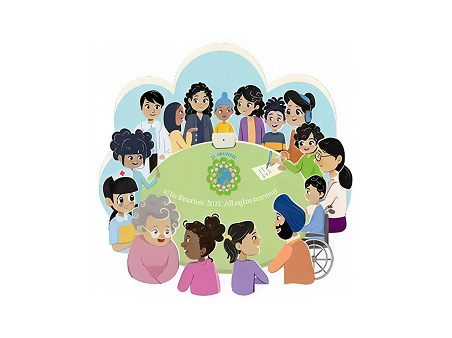
Community partnerships with diverse community members for shared understanding and solutions.
- Organizational Collaborations
- Community interviews on views, challenges, ideas for children's growth, well-being and safety
- Community Scorecard on children's well-being and safety
- Public Health Education
SEED Education to strengthen children's well-being, SEED courses are now offered to the following groups:
- A) 4-6 year-old children
- B) 7-11 year-old children
- C) 12-17 year- old children (Youth)
- D) Parents and other Caregivers of children
- E) Educators (e.g. staff of partner non-profit organizations or schools)
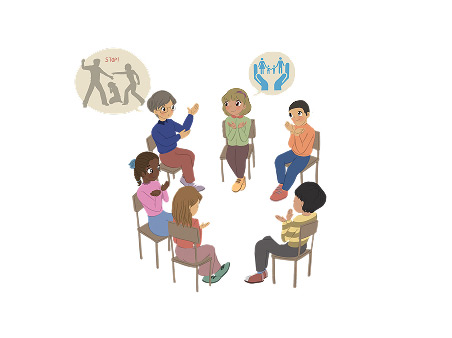
Participatory Research engages service users as our active partners to identify community needs and establish evaluation frameworks.
- Community Score Card to capture how community members define and rank health indicators, ensuring services are measured against community-defined standards.
- Situational Analysis to explore the lived experiences of diverse groups to uncover the specific barriers—social, economic, or physical—that impact their daily well-being and access to care.